Business As An Art Form
The line between art and commerce is thinner than we think.
Some of the most influential artists of the twentieth century didn't just create beautiful work—they created systems, reframed value, and built cultural movements through the tools of business. Their work reminds us that great brands are rarely built by accident. They are intentionally designed, strategically positioned and memorable.
At Future Hana, we believe business itself can become an art form.
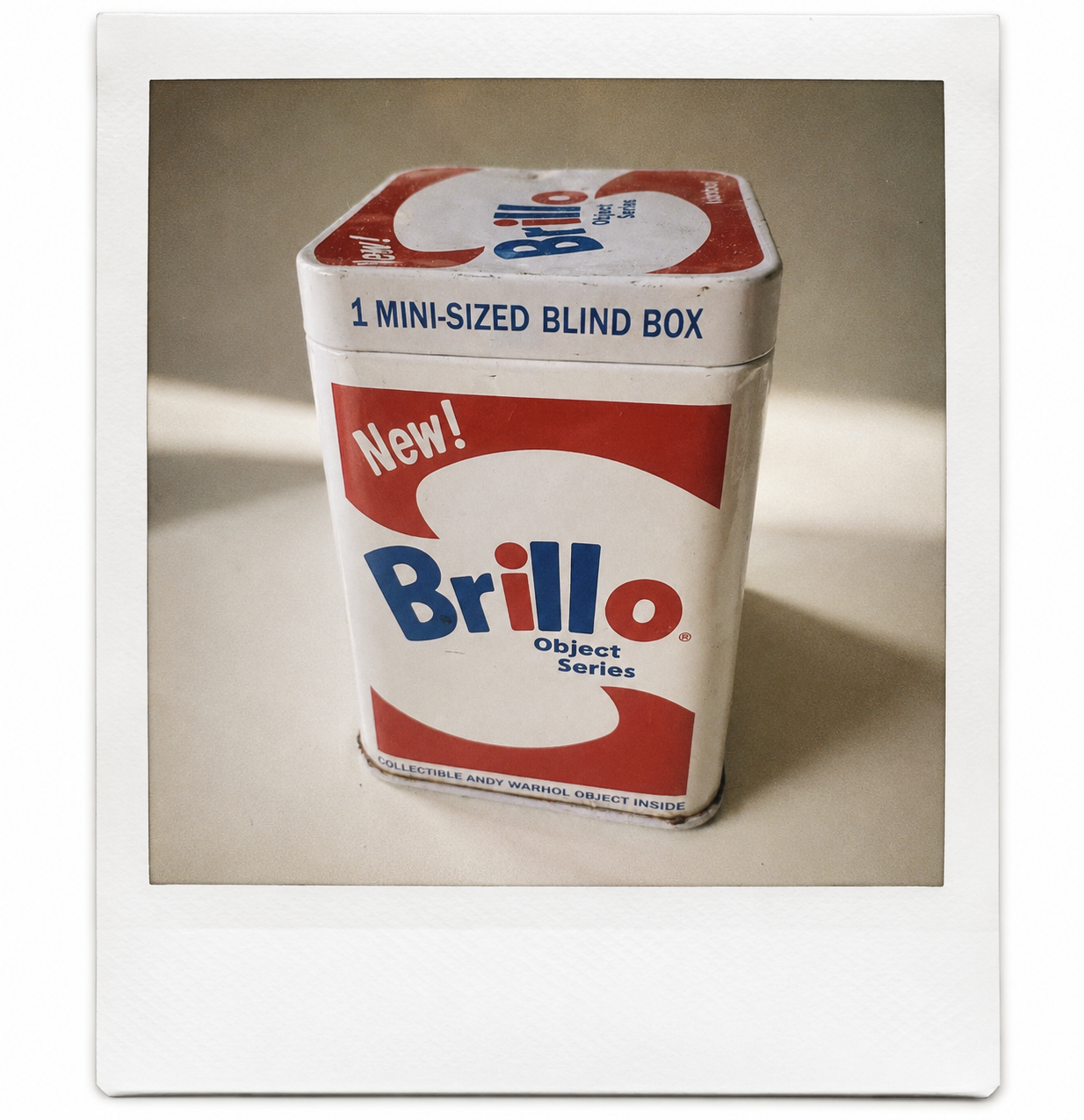
A little gift I picked up when I visited the Andy Warhol Museum in Pittsburg, PA.
Andy Warhol: The Brand Before Branding
Long before personal branding became a buzzword, Andy Warhol understood that repetition creates recognition.His Brillo Boxes challenged the distinction between gallery art and everyday consumer packaging. His Campbell's Soup paintings transformed a common grocery item into one of the most recognizable images in contemporary art. Warhol wasn't simply painting products—he was asking us to reconsider why certain objects become cultural icons.
He understood that familiarity creates value. Packaging. Placement. Repetition. Identity.
What Businesses Can Learn
Your brand is your signature. Consistency isn't boring. It's memorable.
The strongest companies don't reinvent themselves every month. They refine their identity until people recognize them instantly.
Being recognizable is often more valuable than being different.
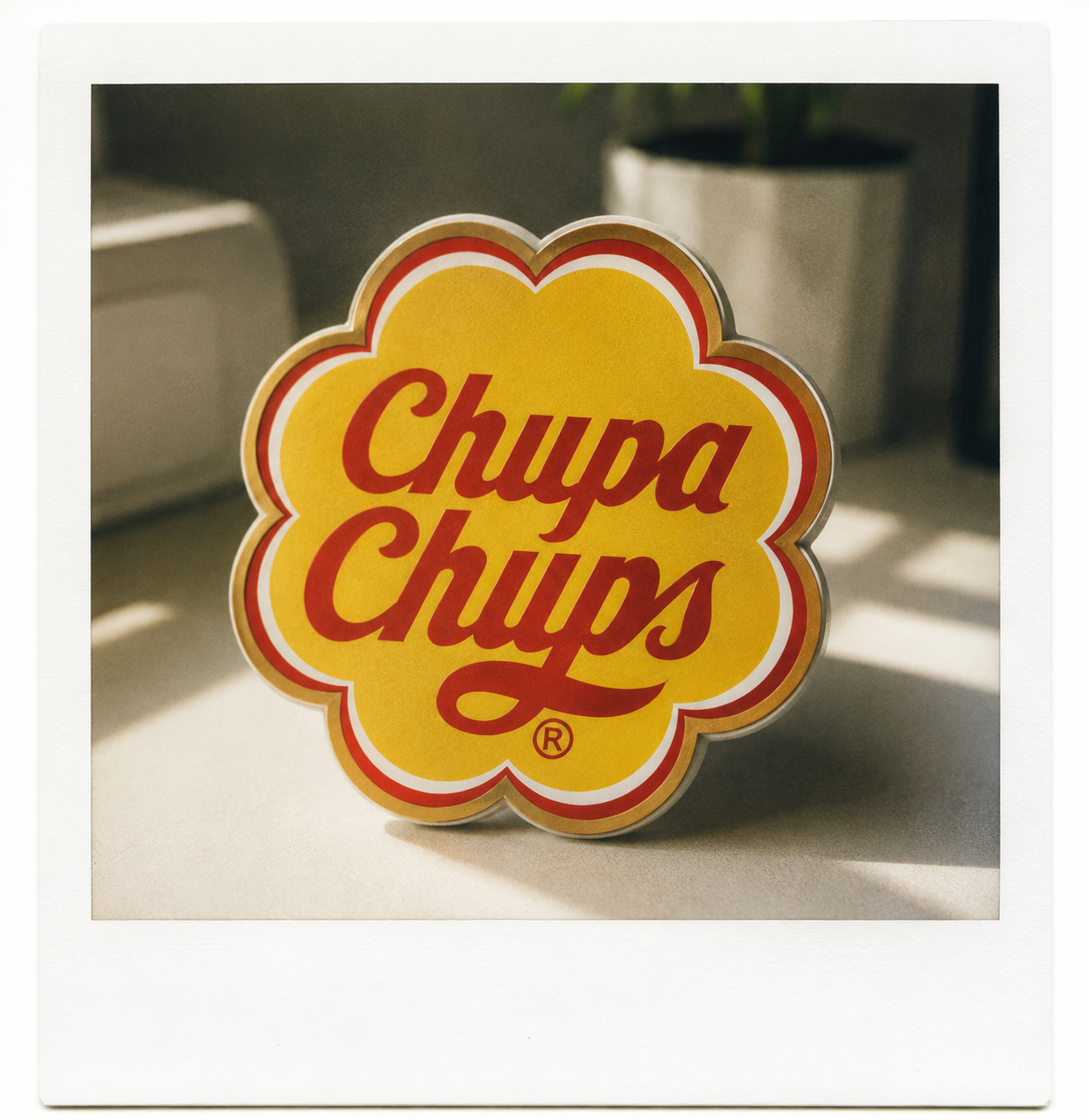
Photo: Victoria Weiss. Chupa Chups souvenir featuring the iconic logo designed by Salvador Dalí (1969).
Salvador Dalí & Chupa Chups
When Fine Art Meets Consumer Products
Salvador Dalí rarely accepted the boundaries between imagination and reality.
When he designed the Chupa Chups logo in 1969, he didn't see it as "commercial work." He saw another canvas.
Legend has it he sketched the now-famous flower-shaped logo in less than an hour while sitting in a café.
More importantly, he insisted the logo appear on the very top of the lollipop instead of the side—ensuring it would always be visible.
That small design decision helped transform a simple candy into one of the world's most recognizable consumer brands.
What businesses can learn Creativity doesn't lose value because it's attached to a product. It gains influence.
The best collaborations happen when artists and businesses stop seeing themselves as separate worlds.
Every package tells a story. Every product becomes an experience.
Business Is A Creative Practice
These artists weren't separating commerce from creativity.
They fused them. Warhol made consumer culture collectible. Dalí transformed packaging into iconography.
Business is another medium for creative expression. The companies that endure aren't always the ones with the biggest budgets. They're the ones that understand narrative.
They understand identity. They understand experience. And they design each of those with intention.
The Future Hana Perspective
At Future Hana, we believe branding is an evolution imperative to just getting a logo.
We believe it begins with meaning.
Every organization has a story waiting to be uncovered.
Every founder has a philosophy worth articulating.
Every business has the potential to become more than a company—it can become a cultural experience.
Because when strategy meets creativity...
Business becomes art.
And the brands that treat their work as a craft don't simply sell products.
They build experiences and worlds.